

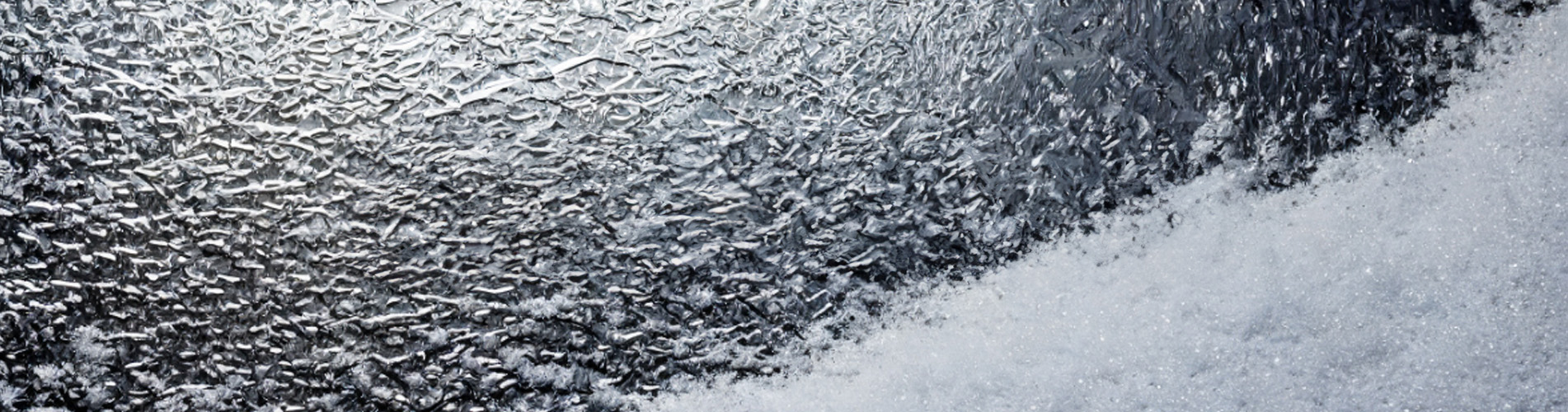

Salt brine is most often utilized as a pretreatment before a storm. You might see your local municipality spraying liquid on bridges, corners, roundabouts, or all roadways. This practice is also becoming very popular in the commercial market as well. The reason for this is that salt brine prevents the formation of ice. Unlike its granular counterpart, salt brine will stay where you put it. It will creep down into the nooks and crannies of the pavement and stay there until it’s needed.
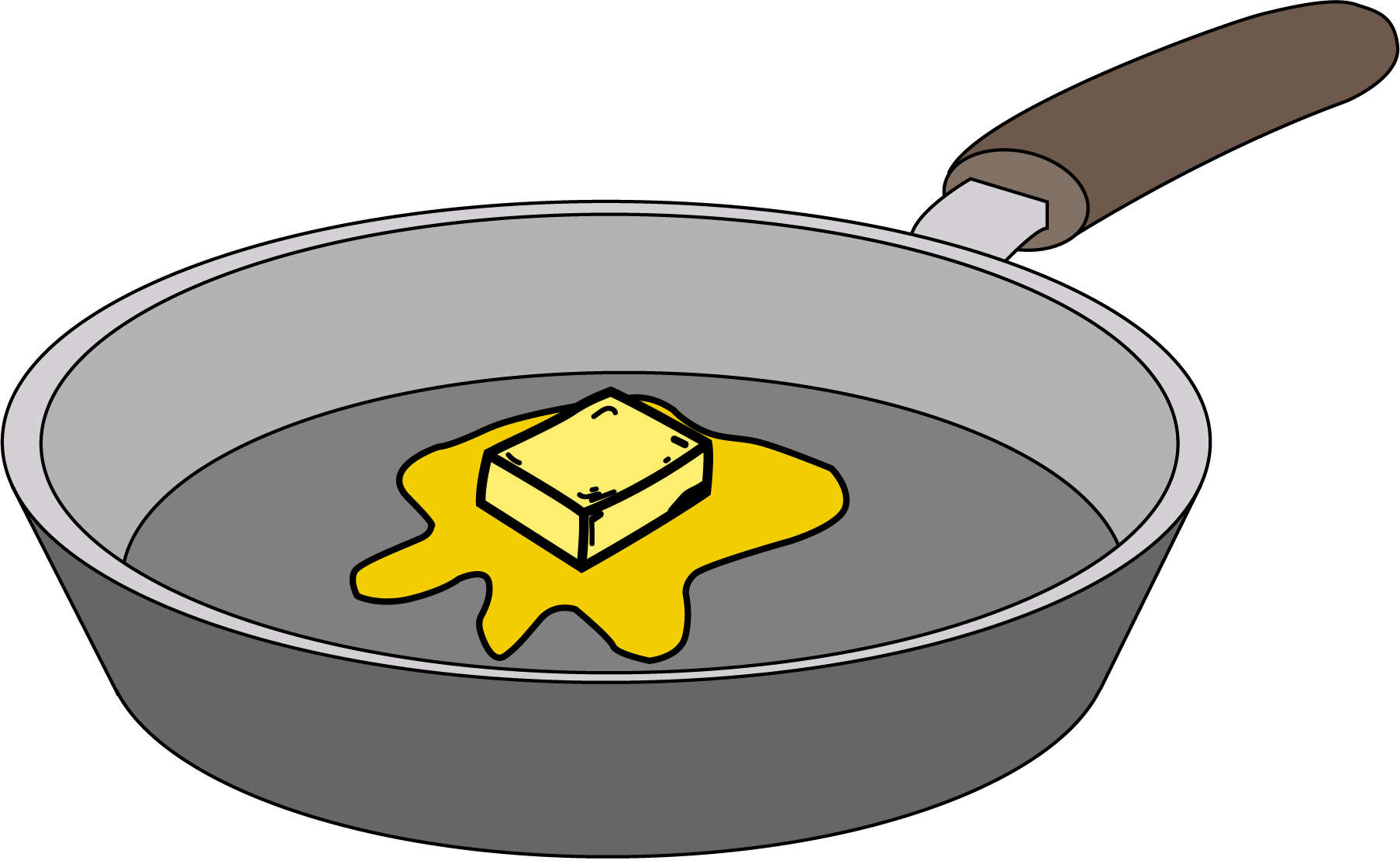
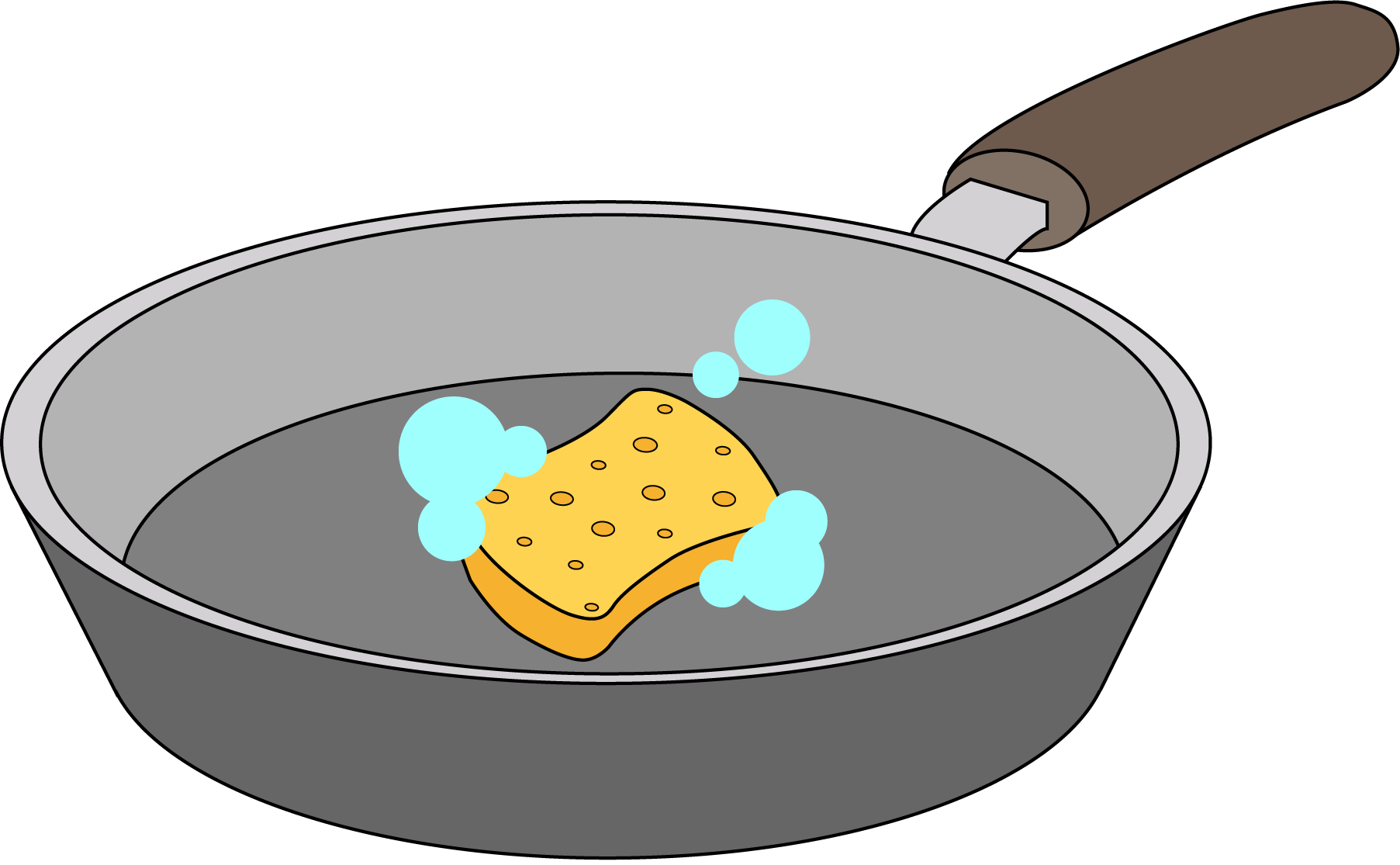
When the snowstorm begins, that salt brine is already active. Not only does the salt brine prevent ice from forming on the surface, but it also prevents additional accumulation from adhering to the surface which allows much easier removal during or after an event. We typically use the analogy of frying an egg. Before you start cooking, coat the pan with a layer of oil or butter to keep the egg from sticking. This makes it much easier to clean the pan afterward. This is exactly how a pretreatment works on the pavement. When you prevent ice from forming in the first place, every step afterward will be less difficult.
|

|
|